Watch the video at the end of this article.
Introduction
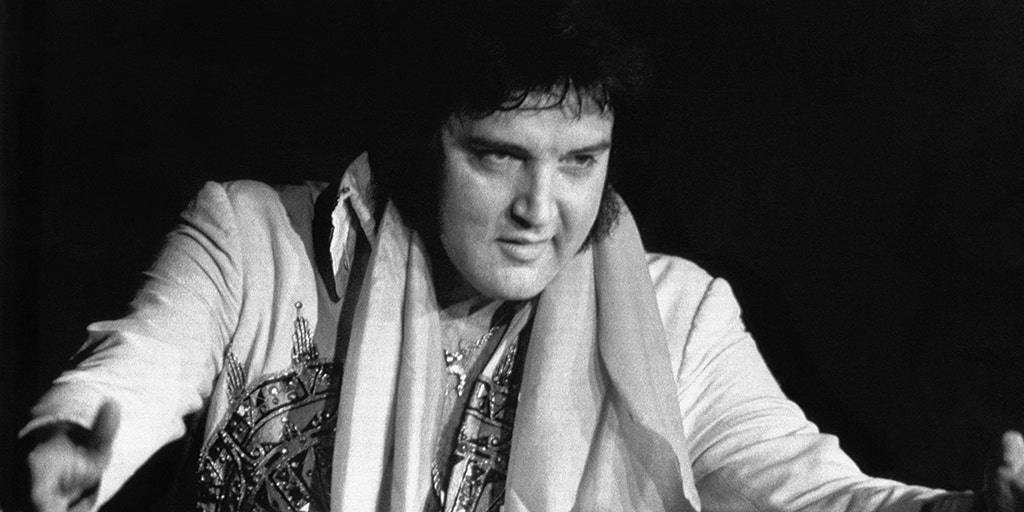
The Elvis Presley Autopsy Files: The Disturbing Questions Behind the King’s Final Hours
Nearly five decades after Elvis Presley’s tragic death, questions surrounding the King of Rock ’n’ Roll’s final hours continue to captivate millions of fans worldwide. Renewed interest in his autopsy records has reignited discussions about his declining health, personal struggles, and the heartbreaking circumstances surrounding his sudden passing.
On August 16, 1977, Elvis was found unresponsive at his beloved Graceland mansion in Memphis, Tennessee. He was only 42 years old. The news devastated the entertainment industry, leaving fans struggling to understand how one of the most celebrated performers in history could disappear so suddenly.
Behind the glamorous costumes, electrifying performances, and thunderous applause, Elvis had reportedly been battling significant health problems. His dependence on prescription medications, demanding performance schedule, and deteriorating physical condition painted a troubling picture of his final years.
The publicly available medical examiner’s report identified cardiovascular disease as the probable cause of death. However, discussions surrounding prescription drugs and other underlying medical conditions have continued to raise questions about the circumstances that contributed to his tragic passing.
What makes the story particularly compelling is the mystery surrounding his complete private autopsy report. Although certain medical details have circulated for decades, the full document has remained unavailable to the public. Claims that it has recently been unveiled have not been independently confirmed.
PRESLAW+1
For longtime fans, revisiting these troubling details is more than an investigation into a celebrity’s death. It is a painful reminder that behind the legendary voice and unforgettable smile stood a vulnerable human being facing immense pressure, personal challenges, and serious health concerns.
Many continue to wonder whether earlier medical intervention, adequate rest, or a different approach to treatment could have changed the course of his life. Unfortunately, such questions may never receive definitive answers.
As the 50th anniversary of his death approaches in 2027, interest in the medical records continues to grow. Yet no document can erase the extraordinary musical legacy Elvis left behind.
His songs, unforgettable performances, and remarkable influence remain alive across generations. Whatever further information may eventually emerge, Elvis Presley will forever be remembered not simply for the tragedy of his final hours, but for the extraordinary life that transformed music history.