Introduction
Few duos in country music history ever felt as real, as wounded, or as human as Conway Twitty and Loretta Lynn. Long before they became legends selling millions of records and filling concert halls, they were simply two people trying to survive heartbreak, rejection, poverty, and doubt.
And maybe that’s exactly why fans still relate to them decades later.
Their music never sounded polished in the way modern fame often does. It sounded lived-in. Every lyric carried the weight of unpaid bills, lonely nights, broken marriages, factory towns, and impossible dreams. When Conway and Loretta sang together, listeners didn’t hear celebrities. They heard themselves.
They Came From the Kind of America Most People Forgot
Loretta Lynn grew up in a tiny coal mining community in Butcher Hollow. Poverty wasn’t an occasional struggle — it was daily life. Her family lived in a small cabin without luxuries most Americans took for granted.
Meanwhile, Conway Twitty spent years bouncing between musical identities, trying desperately to find a place where he belonged. Before country music embraced him, he faced repeated rejection. Record labels weren’t sure what to do with him. He was too country for some audiences and too rockabilly for others.
That uncertainty became part of his soul.
Fans still connect to that because modern life feels painfully similar. Millions of people today feel stuck between identities, careers, expectations, and realities. Conway embodied that confusion long before social media gave it a name.
“I think people heard exhaustion in Conway’s voice,” one music historian once observed. “Not weakness — exhaustion. The sound of a man who kept getting back up.”
And Loretta? She represented something even deeper: survival.
She wasn’t manufactured by Nashville executives. She was a mother of several children before fame ever arrived. She understood hard marriages, financial stress, and emotional loneliness because she lived through them.
When she sang about pain, women believed her immediately.
Their Struggles Never Felt Fake
One reason audiences still emotionally attach themselves to Conway and Loretta is because nothing about their rise felt easy.
Today, fame often appears overnight. Viral clips create stars in days. But Conway and Loretta came from an era where artists spent years driving endless highways, performing in tiny venues, sleeping little, and wondering if success would ever come.
That struggle is deeply relatable.
People fighting to build careers, raise families, or simply survive emotionally understand the feeling of giving everything while receiving almost nothing in return.
Conway Twitty especially became the symbol of persistence.
Before becoming one of country music’s biggest stars, he spent years reinventing himself. Many artists would have quit after repeated failure. Conway didn’t.
“Rejection didn’t destroy Conway Twitty,” a longtime producer once said. “It sharpened him.”
Fans still admire that mentality because life rarely unfolds cleanly. Dreams take longer than expected. Careers collapse. Relationships fail. Confidence disappears. Conway’s story reminds people that success often comes after humiliation.
And Loretta Lynn’s journey carried another emotional truth: women’s struggles were finally being spoken aloud.
At a time when many female artists avoided controversial subjects, Loretta sang openly about birth control, cheating husbands, emotional neglect, exhaustion, and female independence. She spoke directly to working-class women who felt invisible.
That honesty made her unforgettable.
Their Chemistry Felt Human — Not Manufactured
What made Conway and Loretta extraordinary together wasn’t perfection. It was emotional realism.
Their duets sounded like conversations between two people who had actually lived through heartbreak. Songs like “After the Fire Is Gone” and “Louisiana Woman, Mississippi Man” carried tension, desire, frustration, and tenderness all at once.
Modern audiences still respond to that because authentic chemistry is rare.
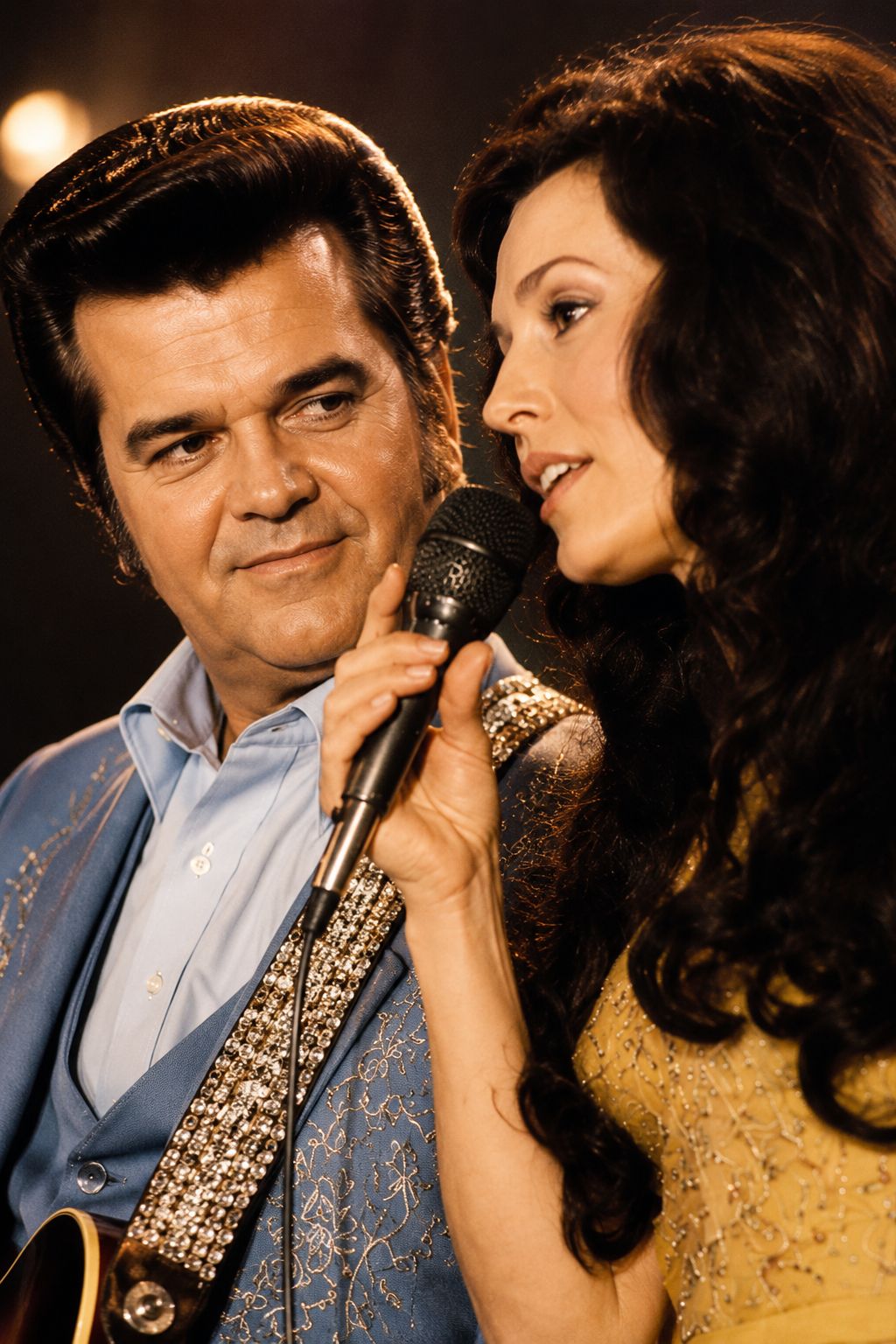
They laughed naturally together. They teased each other on stage. They looked comfortable in silence. Nothing felt overly rehearsed.
Fans sensed trust between them.
And that emotional authenticity created something timeless.
“They didn’t sing at people,” one fan famously wrote. “They sang with people.”
That single difference explains why their music continues surviving across generations.
Their Music Spoke to Ordinary Pain
One of the greatest reasons fans still relate to Conway Twitty and Loretta Lynn is simple: their songs were never about fantasy.
They sang about:
- marriages falling apart,
- temptation,
- regret,
- loneliness,
- financial hardship,
- emotional exhaustion,
- and the fear of losing love.
Those themes never disappear.
Every generation experiences heartbreak. Every generation experiences disappointment. Every generation wonders if life turned out differently than expected.
Conway’s voice especially carried emotional weariness in a way few singers ever mastered. There was vulnerability hidden beneath his confidence.
When he sang love songs, they felt dangerous and fragile at the same time.
Loretta brought the opposite energy — strength born from suffering. She sounded like someone who had cried, survived, and kept going anyway.
Together, they became mirrors for ordinary people.
Not superheroes. Not untouchable stars.
Just human beings trying to navigate difficult lives.
Fans See Their Own Families in Them
Part of Conway and Loretta’s lasting emotional power comes from nostalgia. For many listeners, their music reminds them of parents, grandparents, front porches, old pickup trucks, late-night radios, and family kitchens.
Their songs became woven into American memory.
A daughter remembers her mother singing Loretta Lynn while washing dishes.
A grandfather remembers driving country roads with Conway Twitty playing softly through static speakers.
A couple remembers slow dancing to one of their duets decades ago.
That emotional inheritance matters.
Country music has always functioned as generational storytelling, and Conway and Loretta became part of countless family histories.
Even younger fans discovering them today often describe feeling shocked by how emotionally “real” the music sounds compared to modern overproduction.
There’s rawness there.
Imperfection.
Human breath.
And people crave that again.
Their Pain Was Never Hidden
Perhaps the deepest reason fans still connect to Conway Twitty and Loretta Lynn is because neither artist pretended life was easy.
They didn’t hide scars behind glamour.
Loretta openly discussed difficult parts of marriage and motherhood. Conway’s music often revealed loneliness beneath masculinity. They allowed vulnerability into country music at a time when emotional honesty was often discouraged.
That courage resonates even more today.
Modern audiences are exhausted by curated perfection. Social media teaches people to conceal struggle, filter sadness, and perform happiness constantly.
Conway and Loretta did the opposite.
They admitted life hurts.
And strangely, that honesty comforted people.
“The greatest country singers don’t make pain disappear,” a critic once wrote. “They make listeners feel less alone inside it.”
That may explain why their legacy refuses to fade.
Why Their Story Still Matters Today
In many ways, Conway Twitty and Loretta Lynn represent something disappearing from modern entertainment: emotional truth without performance.
They weren’t trying to become relatable.
They simply were relatable.
Their early struggles shaped everything about their music:
- the trembling emotion in Conway’s voice,
- the fearless honesty in Loretta’s lyrics,
- the chemistry they shared,
- and the deep empathy audiences felt toward them.
Fans still see themselves inside those songs because the core struggles never changed:
- wanting dignity,
- fighting rejection,
- holding families together,
- chasing impossible dreams,
- and trying to stay hopeful after disappointment.
That is timeless.
And perhaps that’s the real secret behind Conway Twitty and Loretta Lynn’s enduring connection with audiences: they never sang from above ordinary people.
They stood beside them.
Even now, decades later, listeners still hear two voices carrying the weight of real life — and somehow making that weight feel easier to bear.