Introduction
Long before the braids, the outlaw image, and the legendary status, Willie Nelson was just another exhausted dreamer driving through endless highways with a guitar in the passenger seat and rejection sitting in the back seat beside him.
People remember the icon.
They forget the suffering.
They remember the sold-out crowds.
They forget the nights he slept broke, hungry, and uncertain if music would ever love him back.
The story of Willie Nelson’s rise to Nashville wasn’t glamorous. It wasn’t cinematic in the polished Hollywood sense. It was brutal, lonely, humiliating, and painfully human.
And that’s exactly why it still resonates decades later.
In the 1950s, Nashville wasn’t waiting for Willie Nelson.
It barely wanted him.
Country music at the time had rules — polished voices, clean-cut appearances, radio-friendly personalities. Willie didn’t fit any of it. His voice sounded too strange. His phrasing felt too unconventional. Even his look made executives uncomfortable.
He wasn’t the kind of artist Nashville executives believed could become a star.
But Willie believed something different.
He believed pain had a sound.
And he carried that sound everywhere he went.
Before Nashville ever knew his name, Willie Nelson grew up in Abbott, Texas — a tiny farming town where hardship wasn’t an event.
It was daily life.
Raised by his grandparents after his parents left, Willie learned early that survival and loneliness often walked together. Music became his escape before it became his profession.
By the time he was a teenager, he was already playing in bars, dance halls, and roadside clubs. Not because he was famous.
Because he needed to eat.
There were nights where smoke filled the rooms so thick you could barely see the stage. Drunks yelled louder than the band. Sometimes people listened. Most nights they didn’t.
But Willie kept singing anyway.
“He wasn’t chasing fame yet. He was chasing survival.”
That distinction matters.
Because the men and women who become legends usually aren’t born from comfort.
They are forged in desperation.
When Willie eventually headed toward Nashville, he carried more hope than money.
And Nashville had no mercy for hopeful men.
He arrived in a city overflowing with dreamers — all fighting for one small place inside country music. Every street seemed filled with another songwriter carrying demos under their arm. Every bar had another singer convinced they were the next big thing.
Willie quickly learned talent alone meant nothing there.
Connections mattered.
Image mattered.
Conformity mattered.
And Willie Nelson fit none of it.
He sold songs for cheap because he needed cash immediately. Songs that would later become classics were traded away just to survive another week.
Imagine that.
One of the greatest songwriters in American history sitting broke in Nashville, wondering if rent would destroy his dream before success ever arrived.
At times, Willie’s life bordered on collapse.
He worked odd jobs.
He hustled constantly.
He played tiny gigs.
He wrote songs deep into the night while uncertainty consumed him.
There were moments where Nashville nearly broke him emotionally. The rejection became repetitive and cruel.
Executives criticized his voice.
Producers wanted him to sound like someone else.
The industry kept trying to smooth out the very qualities that later made him legendary.
And for a while, Willie tried to adapt.
That may have been the darkest period of all.
Because failure hurts.
But pretending to be someone you’re not hurts even more.
“Nashville didn’t know what to do with Willie Nelson because Willie Nelson sounded too real.”
That authenticity became both his curse and his eventual salvation.
Ironically, Willie first found success not as a performer — but as a songwriter.
Other artists began recording his material. Suddenly, the same city that questioned him started profiting from his words.
Songs like “Crazy” became massive hits for Patsy Cline. His songwriting brilliance was undeniable.
But even then, something painful lingered underneath.
Willie could write hits.
Yet Nashville still doubted Willie the artist.
Think about how crushing that must have felt.
Watching your words become famous while your own voice remains dismissed.
The pressure mounted.
The expectations mounted.
And eventually, Willie Nelson burned out.
Not metaphorically.
Literally.
After years of frustration, a fire destroyed his home outside Nashville in 1970. For many people, it would have symbolized total defeat.
For Willie, strangely, it became liberation.
He later described that fire almost like a sign.
A reset.
A final breaking point that forced him to stop trying to become the version of himself Nashville wanted.
And that decision changed country music forever.
Willie returned to Texas.
Not as a failure.
As himself.
He grew his hair long. He embraced the counterculture spirit emerging in the 1970s. He stopped trying to polish the rough edges that made him unique.
And suddenly?
Everything clicked.
The same qualities Nashville rejected became magnetic.
Audiences connected deeply with his honesty. His music sounded lived-in. Real. Scarred. Human.
He wasn’t performing perfection.
He was performing truth.
That became the foundation of the outlaw country movement — alongside artists like Waylon Jennings, who also rebelled against Nashville’s rigid machine.
Together, they reshaped country music from the outside.
And the irony was almost poetic.
Nashville eventually embraced the very man it once underestimated.
But what makes Willie Nelson’s journey unforgettable isn’t simply the success.
It’s the emotional cost behind it.
Because behind every legendary performance was a man who once questioned everything.
A man who drove lonely roads wondering if he was wasting his life.
A man who experienced rejection so often it could have erased his identity entirely.
Most people only see the destination.
Very few survive the road.
“Willie Nelson didn’t conquer Nashville by becoming what the industry wanted. He conquered it by surviving long enough to remain himself.”
That lesson extends far beyond music.
It’s why his story still hits people emotionally today.
In a world obsessed with instant success, Willie Nelson represents endurance.
Persistence.
Authenticity.
The willingness to keep going when absolutely nobody believes in you.
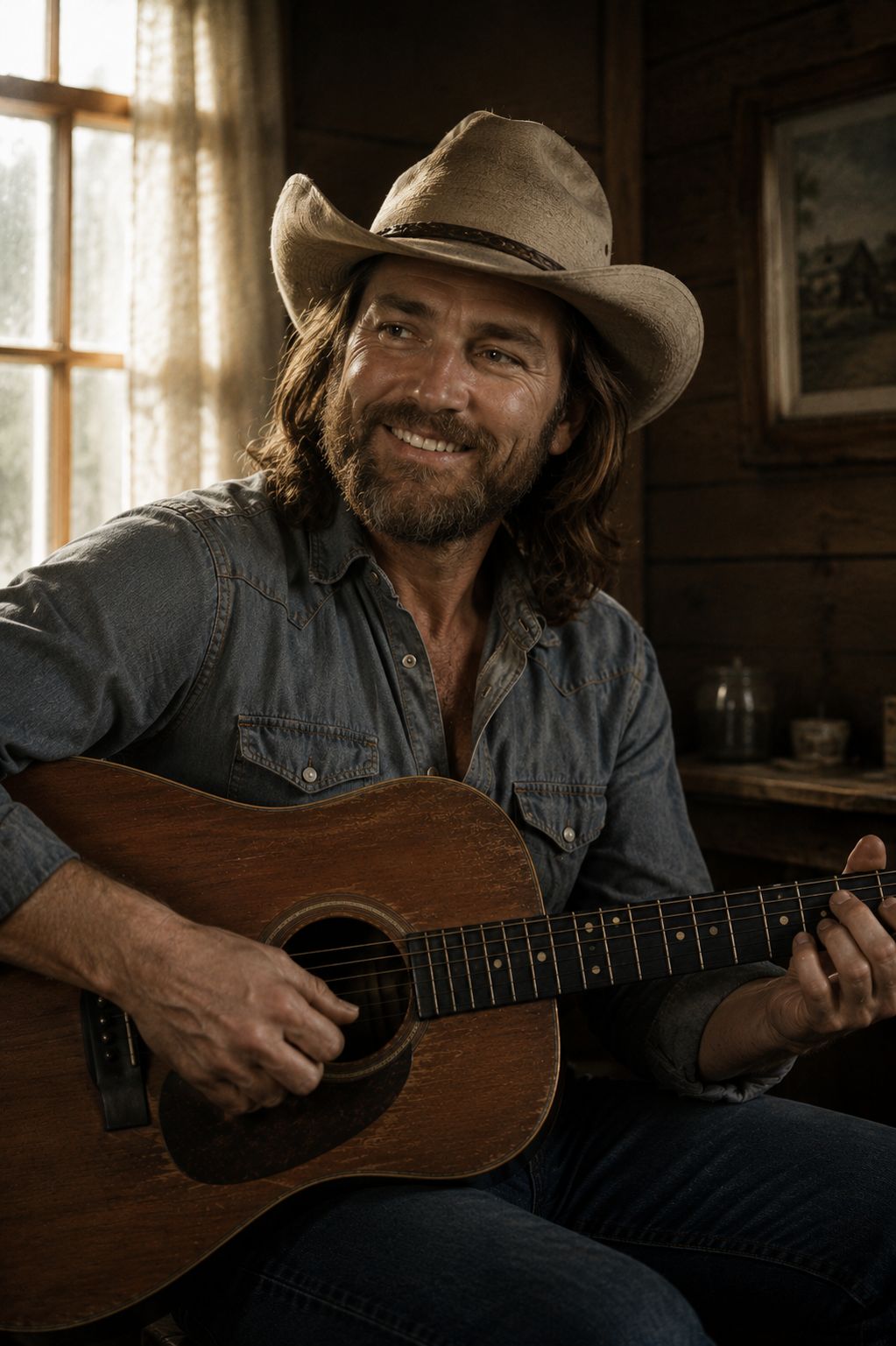
Even decades later, there’s something hauntingly beautiful about imagining young Willie Nelson sitting alone with a guitar in some dimly lit room, writing lyrics while uncertainty swallowed him whole.
He didn’t know history would remember him.
He didn’t know he’d become one of the defining voices of American music.
He only knew he couldn’t stop writing.
Couldn’t stop singing.
Couldn’t stop chasing something he barely knew how to explain.
And maybe that’s what separates legends from everyone else.
Not talent alone.
But obsession powerful enough to survive humiliation, poverty, rejection, and heartbreak.
Today, Willie Nelson stands as more than a country music icon.
He represents every outsider who was told they were too different.
Too strange.
Too unconventional.
Too raw.
And his story proves something timeless:
Sometimes the brutal road is the only road that creates legends.
Because easy journeys rarely produce unforgettable souls.
Willie Nelson’s road to Nashville was brutal.
But without that struggle, the world may never have heard the voice that changed country music forever.
Video